
High Voltage Commissioning
High Voltage Commissioning in Queensland
High voltage commissioning is the process of inspecting, testing and verifying new or modified HV equipment, including switchgear, transformers, cables and protection relays, to confirm it is safe and correct before it is energised. Amped Specialist Electrical delivers high voltage commissioning for industrial sites, substations and solar farms across Queensland.
As a licensed high voltage electrical contractor based in Maryborough, we take your project from final installation checks through to energisation and handover, so your assets go live safely and on schedule. Request a free quote for your next HV project
What Is High Voltage Commissioning?
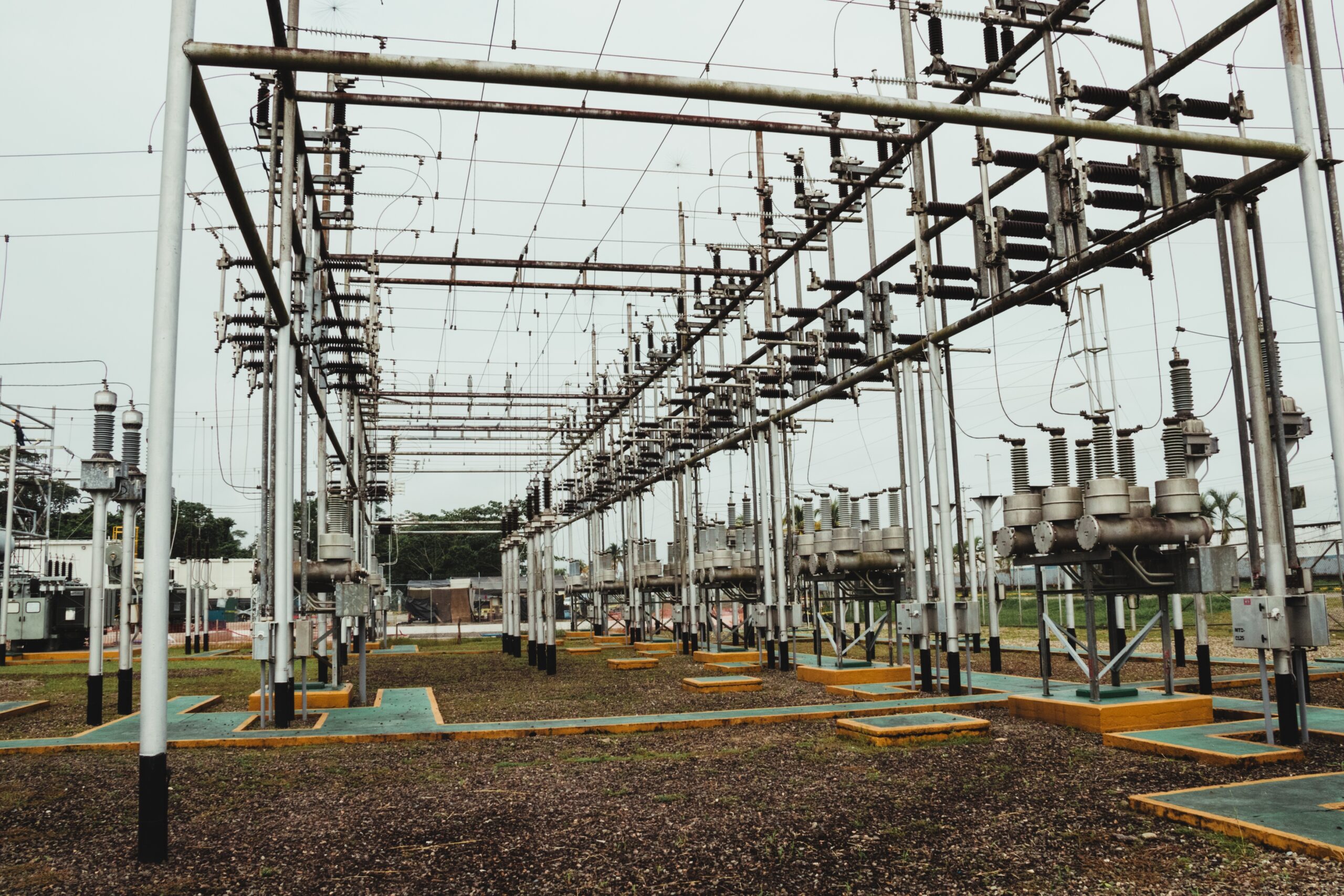
High voltage commissioning is the final verification stage before HV equipment is connected to the network or put into service. It proves that the installation matches the design, that protection systems will operate correctly under fault conditions, and that the equipment is safe for operators and the wider network.
Skipping or rushing this stage risks equipment damage, unplanned outages, failed network approvals and safety incidents. Properly documented commissioning also gives you a verified baseline for future maintenance.
When Is High Voltage Commissioning Required?

Commissioning is required whenever HV equipment is energised for the first time or returns to service after significant work, including:
- New substations and HV switchrooms
- Solar farm and renewable energy grid connections
- Switchgear, ring main unit and transformer upgrades
- HV cable installations, extensions and repairs
- Equipment returning to service after major maintenance or fault repair
- Protection relay replacements or setting changes
Our High Voltage Commissioning Process
Every commissioning project follows a structured sequence so nothing is energised until it has been verified.
1. Design and Documentation Review
We review single line diagrams, drawings, specifications and the protection study to confirm the test plan and relay settings before work begins.
2. Pre-Commissioning Inspection and Testing
We inspect the installation against design, verify earthing and bonding, and carry out insulation resistance and contact resistance testing on equipment and cabling.
3. Protection Relay Testing and Verification
Relays are tested by secondary injection and their settings verified against the protection study, including CT and VT checks, trip circuits and interlocks, so your system responds correctly when a fault occurs.
4. Functional and Control System Testing
We test control circuits, alarms, indications, switching sequences and SCADA signals to confirm the system operates as designed.
5. Energisation and On-Load Checks
Equipment is energised under a coordinated switching program, followed by phasing and on-load checks to confirm correct operation under real conditions.
6. Handover Documentation
You receive complete test results, relay settings, inspection records and sign-off documentation for your asset register and network provider requirements.
Why Choose Amped for High Voltage Commissioning
- Specialist HV technicians, not a general electrician offering HV as a side service
- Licensed and trained in HV switching, protection systems and industrial power infrastructure
- Detailed testing records and handover documentation on every job
- A single point of contact who knows your site
- In-house switchboard design and build to keep projects under one contractor
High Voltage Commissioning Across Queensland
Amped is based in Maryborough and commissions HV equipment across the Wide Bay and Fraser Coast region, including Hervey Bay, Childers, Bundaberg and Gympie, as well as projects throughout Queensland. After commissioning, we can continue to support your assets with industrial electrical maintenance and ongoing HV testing.
Frequently Asked Questions About High Voltage Commissioning
What is high voltage commissioning?
High voltage commissioning is the inspection, testing and verification of new or modified HV equipment, including switchgear, transformers, cables and protection relays, to confirm it is safe and correctly configured before it is energised.
What tests are done before HV equipment is energised?
Typical tests include insulation resistance, contact resistance, earthing and bonding checks, HV cable testing, protection relay secondary injection, trip and interlock checks, and control system functional testing. The exact scope depends on the equipment and the design specification.
How long does high voltage commissioning take?
Commissioning a single piece of HV equipment can take a day or two, while a full substation or solar farm connection can take several weeks. Duration depends on the scope, the number of assets and how many protection schemes need to be tested.
Who can carry out high voltage commissioning in Queensland?
HV commissioning must be carried out by suitably licensed and trained personnel working to the relevant Australian Standards, Queensland electrical safety requirements and the network operator’s conditions. Amped’s HV technicians are trained and accredited to commission HV plant.
What documents do I receive after commissioning?
You receive a complete handover pack, including test results, protection relay settings, inspection records and sign-off documentation, so your team has a clear record of the condition of every asset at energisation.
Does Amped commission solar farm and substation connections?
Yes. Amped commissions HV equipment for industrial sites, substations and solar farms across Queensland, including new connections, plant upgrades and equipment returning to service after maintenance.
Book High Voltage Commissioning in Queensland
Talk to our HV team about commissioning your next installation, upgrade or solar farm connection. Call 0448 197 285 or contact us for a free quote.